Auto-Lab Complete Car Care Center Blog

Because automatic transmissions contain numerous mechanical, hydraulic, and electronic components, problems can develop for many different reasons. Ignoring early symptoms may allow a relatively manageable issue to become more serious. Understanding common questions about automatic transmission repair can help you recognize trouble and seek professional service when necessary. At Auto-Lab Complete Car Care Center, we’re happy to answer your questions about transmission repair in the greater Plymouth, MI area. What Are Common Indications of Transmission Problems? Automatic transmission problems can produce several noticeable symptoms. These may include slipping gears, delayed engagement, hard or jerky shifting, hesitation, unusual whining or grinding noises, or difficulty shifting into drive or reverse. Fluid leaking beneath the vehicle or a burning odor can also indicate potential transmission trouble. If your vehicle suddenly shifts differently than it normally does, having it professionally inspected is a good idea. What Causes an Automatic Transmission to Fail? Transmission failure can result from normal wear, low or contaminated fluid, overheating, leaks, electrical problems, and damaged internal components. Frequent towing, hauling heavy loads, and demanding stop-and-go driving can also place additional stress on the transmission. Because multiple problems can produce similar symptoms, proper diagnostics are important for determining exactly what is causing the issue. How Does Transmission Fluid Affect Performance? Transmission fluid provides lubrication, helps control heat, and creates hydraulic pressure needed for proper gear changes. If the fluid level becomes too low or the fluid becomes contaminated, the transmission may not operate correctly. Following the manufacturer's recommendations for fluid inspections and service can help maintain proper operation. Any unexplained fluid loss should be professionally investigated. Why Is Professional Transmission Repair Important? Automatic transmissions are complicated systems that require specialized knowledge and diagnostic equipment. A technician can evaluate shifting behavior, fluid condition, electronic controls, and mechanical components to determine where the problem originates. Professional repairs can also help ensure that the correct parts, procedures, and transmission fluid are used for the vehicle. Where Can I Get Automatic Transmission Repair in Plymouth, MI? For expert transmission repair in Plymouth and the surrounding area, contact Auto-Lab Complete Car Care Center at (734) 404-7625 . Feel free to give us a call to schedule an appointment!

Your vehicle's shock absorbers are a vital part of the suspension system, helping to provide a smooth ride while maintaining stability and control. Although many drivers associate healthy shocks with comfort, they also improve steering, braking, and tire contact with the road. As shocks wear out over time, your vehicle may become more difficult to handle. Recognizing the warning signs of failing shocks can help you address the problem before it affects your safety or leads to additional repairs. At Auto-Lab Complete Car Care Center, we provide expert suspension repair in the greater Plymouth, MI area. Here are four signs that your car's shocks may be failing. Your Vehicle Bounces Excessively One of the most common symptoms of worn shocks is excessive bouncing after driving over bumps or potholes. Healthy shocks quickly stabilize the vehicle after an impact, while worn shocks allow the suspension to continue moving longer than it should. If your car feels like it's bouncing several times after hitting a bump, it's time to have the suspension inspected. The Front End Dives When Braking Failing shocks can cause the front of your vehicle to dip or dive noticeably when you apply the brakes. This happens because worn shocks are no longer controlling the transfer of weight effectively during braking. Excessive front-end dive can increase stopping distances and reduce your ability to maintain control during sudden stops. Replacing worn shocks helps restore braking stability. Uneven Tire Wear Shock absorbers help keep your tires firmly planted on the road. When shocks wear out, the tires may bounce excessively, causing uneven tread wear across the tire surface. Uneven tire wear not only shortens tire life but also reduces traction, particularly on wet roads. If your tires are wearing unevenly, your suspension system should be inspected along with your wheel alignment. Poor Handling Around Corners If your vehicle leans excessively when turning or feels unstable during lane changes, worn shocks may be the cause. As shocks lose their ability to control body movement, handling becomes less predictable and steering response may feel slower. This reduced stability can make it more difficult to maintain control during emergency maneuvers. Suspension Repair in Plymouth, MI For expert auto repair in Plymouth, MI and the surrounding area, contact Auto-Lab Complete Car Care Center at (734) 404-7625 . At our local auto shop, we can thoroughly address your vehicle’s repair and maintenance needs. Feel free to give us a call to schedule an appointment!

Before heading out on a long road trip, ensuring your vehicle is properly prepared can make the difference between a smooth journey and a breakdown. A mechanic can inspect, service, and fine-tune key systems in your vehicle to improve reliability and safety. At Auto-Lab Complete Car Care Center, we can get your car ready for your adventure. Here are five ways a mechanic can help get your vehicle ready for a road trip. Full Multi-Point Inspection The mechanic can conduct a comprehensive inspection of your vehicle’s major systems. This includes checking belts, hoses, suspension components, engine performance, and overall mechanical condition. This step helps identify early signs of wear or damage that could lead to trouble on the road. Brake System Evaluation Your braking system is essential for safe driving, especially during long-distance travel. The mechanic can inspect brake pads, rotors, calipers, and brake fluid levels to ensure everything is functioning correctly. If any components are worn or compromised, they can recommend repairs to restore safe stopping performance. Fluid Inspection and Service Fluids are critical to your vehicle’s operation. Your mechanic can check engine oil, coolant, transmission fluid, brake fluid, and power steering fluid to ensure proper levels and condition. If fluids are dirty or low, they may recommend flushing or replacing them to help prevent issues during your trip. Battery and Charging System Check A weak battery or failing charging system can quickly lead to a breakdown. Mechanics test the battery’s charge, inspect the alternator, and can evaluate the starter system to help ensure reliable electrical performance. Addressing any weaknesses before a trip helps reduce the risk of starting problems. Engine and Cooling System Assessment Long drives place added stress on your engine and cooling system. The mechanic can check for leaks, test coolant levels, inspect hoses, and ensure the radiator and thermostat are functioning properly. This helps prevent overheating and keeps your engine operating within a safe temperature range. Auto Maintenance in Plymouth, MI For expert auto maintenance in Plymouth, MI and the surrounding area, contact Auto-Lab Complete Car Care Center at (734) 404-7625 . Feel free to give us a call to schedule an appointment for car care in greater Plymouth, MI !
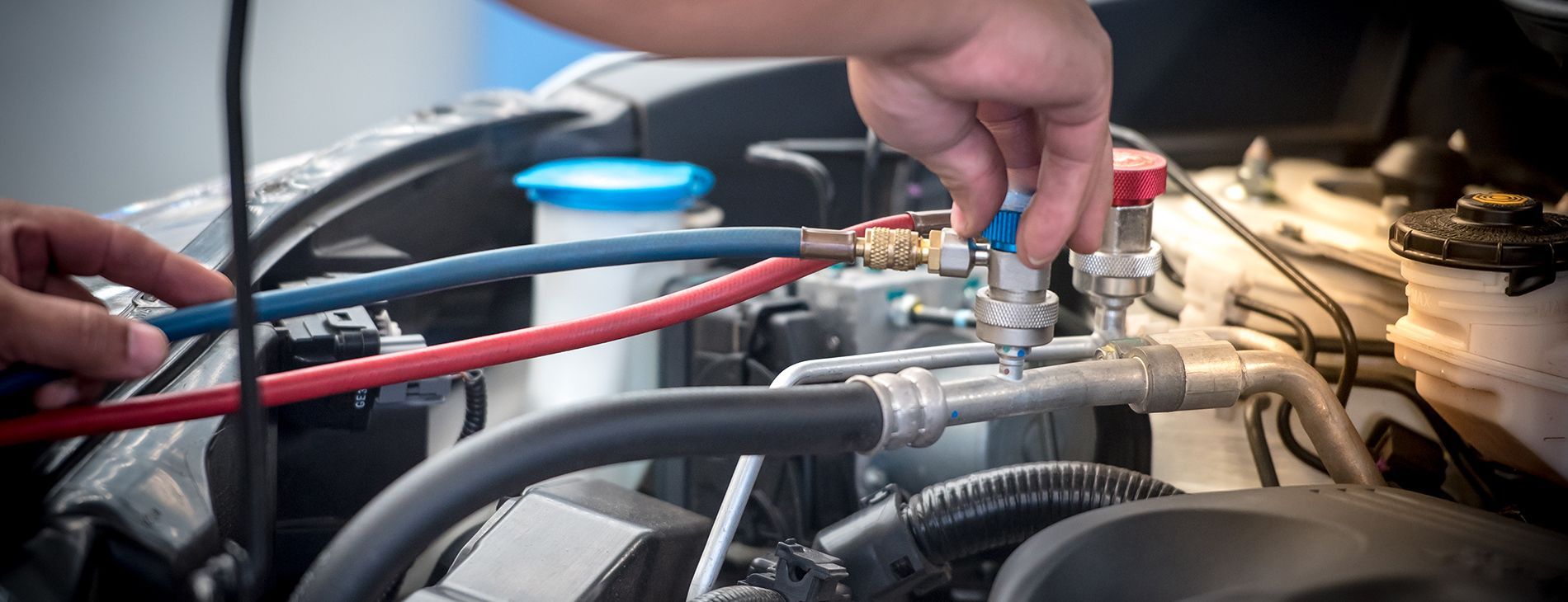
Your vehicle’s cooling system is essential for keeping the engine at a safe operating temperature. It works by circulating coolant through the engine, radiator, hoses, and other components to prevent overheating. When something goes wrong, it can quickly lead to serious engine damage if not addressed. Because cooling system issues can be confusing for many drivers, it’s common to have questions about symptoms, repairs, and maintenance. At Auto-Lab Complete Car Care Center, we’re happy to answer your questions about cooling system repair in the greater Plymouth, MI area. What Are the Common Symptoms of Cooling System Problems? Common warning signs include coolant leaks under the vehicle, a rising temperature gauge, steam coming from under the hood, a dashboard warning light, or a sweet smell near the engine. These symptoms often indicate that the cooling system is not circulating or containing coolant properly and should be inspected promptly. What Causes Cooling System Failures? Cooling system issues can be caused by a variety of problems, including leaking hoses, a failing water pump, a stuck thermostat, a clogged radiator, and low coolant levels. Over time, normal wear and tear can also degrade seals and connections. Is It Safe to Drive With an Overheating Engine? Driving with an overheating engine is not safe and can lead to severe damage very quickly. Overheating can warp engine components, damage head gaskets, and result in expensive repairs. If the temperature gauge rises into the danger zone or steam appears, it is best to pull over safely, turn off the engine, and seek professional assistance. How Can I Help Prevent Cooling System Problems? Regular maintenance is key to preventing cooling system issues. This includes checking coolant levels (while the engine is cool), inspecting hoses and belts for wear, and flushing the cooling system at recommended intervals. Routine inspections by a mechanic can help catch small problems early before they turn into major repairs or engine damage. Where Can I Get Cooling System Repair in Plymouth, MI? For expert cooling system repair in Plymouth, MI and the surrounding area, contact Auto-Lab Complete Car Care Center at (734) 404-7625 . Feel free to give us a call to make an appointment!

A healthy suspension system is necessary for a smooth ride, stable handling, and overall safety. It absorbs bumps, keeps your tires in contact with the road, and helps maintain control during turns and braking. When suspension components wear out or fail, you’ll likely notice changes in comfort and performance. Because the system includes multiple parts working together, many drivers have questions about how it functions and when repairs are necessary. At Auto-Lab Complete Car Care Center, we’re happy to answer your questions about suspension repair in the greater Plymouth, MI area. What Does the Suspension System Do? The suspension system supports your vehicle’s weight and absorbs shocks from uneven road surfaces. It also helps maintain proper tire contact with the road for better control. Crucial components of suspension systems include shocks, struts, springs, control arms, and bushings. Together, these parts provide stability and improve handling. What Are Common Indications of Suspension Problems? There are several warning signs that your suspension may need attention. These include a rough or bouncy ride, excessive body roll when turning, uneven tire wear, and your vehicle pulling to one side. You may also hear clunking or knocking noises when driving over bumps. Any of these symptoms should be inspected by a professional. What Causes Suspension Issues? Suspension problems often develop from normal wear and tear. Driving on rough roads, hitting potholes, and carrying heavy loads can accelerate wear. Over time, shocks and struts lose their effectiveness, and rubber parts like bushings can deteriorate. Environmental factors and driving habits both play a role in how quickly these components wear out. What Does Suspension Repair Generally Entail? The type of repair depends on the issue identified during an inspection. A technician may replace worn shocks or struts or control arms. In many cases, a wheel alignment is also performed to help ensure proper handling and even tire wear after repairs are completed. How Can I Reduce the Risk of Suspension Problems? While some wear is unavoidable, there are ways to extend the life of your suspension system. Avoiding potholes when possible, driving carefully on rough terrain, and not overloading your vehicle can reduce stress on components. Regular inspections and addressing minor issues early can also help prevent more extensive and expensive repairs. Where Can I Get Suspension Repair in Plymouth, MI? For expert suspension repair in Plymouth, MI and the surrounding area, contact Auto-Lab Complete Car Care Center at (734) 404-7625 . Feel free to give us a call to make an appointment!

Your vehicle’s alternator plays a crucial role in keeping the electrical system running and the battery charged. When it starts to fail, it can lead to a range of problems that affect performance and reliability. Because alternator issues can escalate quickly, recognizing the warning signs early can help you avoid being stranded. At Auto-Lab Complete Car Care Center, our local mechanics provide expert alternator replacement and auto electric repair in the greater Plymouth, MI area. Here are four common signs that your alternator may be in trouble. Erratic Behavior from Lights An easily noticeable sign of alternator trouble is dimming or flickering lights. The alternator supplies power to your vehicle’s electrical components and a failing unit may struggle to maintain consistent voltage. Consequently, you might notice your headlights becoming dimmer or flickering while driving. Interior lights and dashboard illumination may also be affected. Battery Warning Light on the Dashboard If the battery warning light appears on your dashboard, it’s often an indication of a problem within the charging system. While many assume it points directly to the battery, it frequently signals an issue with the alternator. In some vehicles, an alternator issue will trigger a light that reads ALT or GEN. Ignoring such warnings can lead to a drained battery and leave you unable to start your vehicle. Problems with Electrical Accessories When the alternator isn’t providing enough power, your vehicle’s electrical systems may begin to act erratically. You might experience issues with power windows, the radio, or air conditioning. Multiple electrical problems occurring at once are a strong indication that the alternator may not be functioning properly. Strange Noises from the Engine Bay A failing alternator can produce unusual sounds such as grinding, whining, or squealing. These noises are often caused by worn bearings or a belt issue. If you hear unfamiliar sounds coming from under the hood, it’s important to have your vehicle inspected to determine the cause. Alternator Replacement & Auto Electric Repair in Plymouth, MI For expert auto repair in Plymouth and the surrounding area , contact Auto-Lab Complete Car Care Center at (734) 404-7625 . Feel free to give us a call to make an appointment !
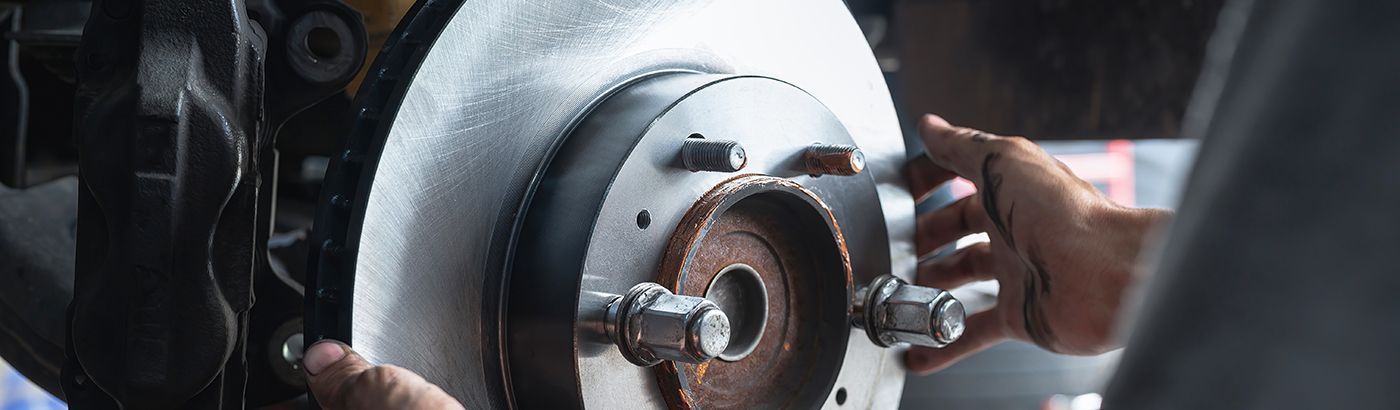
Your vehicle’s braking system is one of its most important safety features. When your brakes are functioning properly, they provide smooth, responsive stopping power that keeps you and others safe on the road. However, brake components wear down over time, and ignoring early warning signs can lead to more serious damage—or even dangerous driving conditions. At Auto-Lab Complete Car Care Center, we provide expert brake repair in the greater Plymouth, MI area. Here are four common signs that your brakes need professional attention. Squeaking or Squealing Noises One of the most common signs of brake trouble is a high-pitched squeaking or squealing sound when you press the brake pedal. This noise is often caused by worn brake pads. Many brake pads are designed with a small metal indicator that creates a squeal when the pads become thin, alerting you that replacement is needed. Grinding Sounds When Braking If you hear a grinding noise when applying the brakes, it could indicate that the brake pads are completely worn down. This not only reduces braking efficiency but can also cause rotor damage, leading to more expensive repairs. Grinding noises require immediate attention to prevent further harm to your braking system. Vibrations Feeling vibrations when slowing down often points to warped brake rotors. Rotors can become uneven due to excessive heat or wear, especially if brakes are often used aggressively. When the rotor surface is no longer smooth, the brake pads cannot make consistent contact, resulting in noticeable vibrations. Addressing warped rotors promptly helps restore smooth braking performance. Soft Brake Pedal A brake pedal that feels soft, spongy, or sinks quickly toward the floor when pressed may indicate air in the brake lines or a brake fluid leak. Because brakes rely on hydraulic force to operate effectively, any loss of pressure can significantly reduce stopping power. This issue should be inspected immediately to ensure your vehicle remains safe to drive. With a brake fluid leak, you should get towed to the shop to avoid safety risks. Brake Repair in Plymouth, MI For expert auto repair in Plymouth, MI and the surrounding area, contact Auto-Lab Complete Car Care Center at (734) 404-7625 . Feel free to give us a call to schedule an appointment for car care in greater Plymouth, MI !
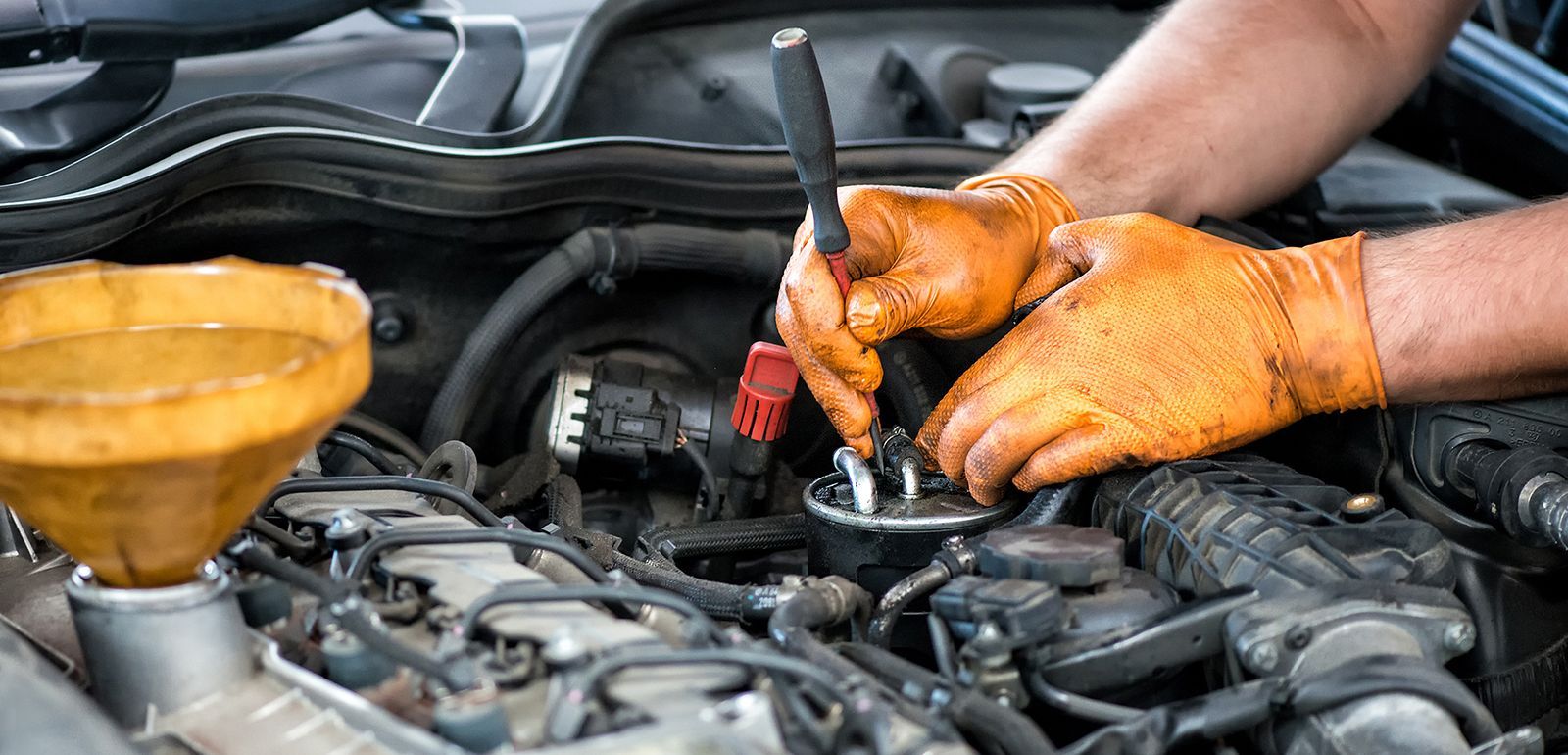
Your vehicle’s fuel system is essential for delivering the right amount of fuel to the engine so it can run smoothly and efficiently. When something goes wrong within this system, you may notice changes in performance, fuel-economy, or even your ability to start the car. Because fuel system components are complex and often hidden from view, many drivers aren’t sure what repairs involve or how serious a problem might be. At Auto-Lab Complete Car Care Center, we’re happy to answer any of your questions about fuel system repair in the greater Plymouth, MI area. What Components Make Up the Fuel System? The fuel system includes the gas tank, fuel pump, fuel filter, fuel lines, fuel injectors, and throttle body. In modern vehicles, electronic sensors and the engine control module also play a key role in managing how much fuel enters the engine. These parts work together to maintain the proper air-fuel mixture for combustion. If any one component fails or becomes restricted, it can disrupt engine performance and efficiency. What Are the Signs of a Fuel System Problem? Fuel system issues often appear as drivability problems. You might experience difficulty starting the engine, rough idling, hesitation during acceleration, or a noticeable loss of power. Decreased fuel-efficiency is another common symptom. In some cases, you may smell fuel or see a check engine light illuminate on the dashboard. These warning signs indicate that the engine may not be receiving the correct amount of fuel and should be inspected by a professional. How Are Fuel System Issues Diagnosed? Technicians use specialized tools to pinpoint fuel system problems. This often includes checking fuel pressure, scanning the vehicle’s computer for diagnostic trouble codes, and inspecting for leaks or damaged components. Because symptoms of fuel system trouble can resemble other engine issues, proper testing is essential. Accurate diagnosis helps avoid unnecessary repairs and ensures the correct parts are serviced or replaced. Is Fuel System Repair Urgent? Typically, yes. A malfunctioning fuel system can cause the engine to run too lean or too rich, which may damage spark plugs and the catalytic converter. In severe situations, a failing fuel pump can leave you stranded. Addressing issues early helps maintain performance, prevent breakdowns, and avoid more expensive engine repairs. If you notice changes in how your vehicle runs, scheduling an inspection promptly is the best way to protect your car and your wallet. Where Can I Get Fuel System Repair in Plymouth, MI? For expert fuel system repair in Plymouth, MI and the surrounding area, contact Auto-Lab Complete Car Care Center at (734) 404-7625 . Feel free to give us a call to make an appointment!
While the check engine light can be triggered by something relatively minor, it can also indicate a serious issue that affects your vehicle’s performance, efficiency, or reliability. At Auto-Lab Complete Car Care Center, we provide expert check engine light diagnostics and repair in the greater Plymouth, MI area. Here are four common check engine light triggers that should be addressed ASAP. Faulty Oxygen Sensor The oxygen sensor monitors the amount of unburned oxygen in your vehicle’s exhaust and helps regulate the air-to-fuel mixture. When it fails, the engine may run less efficiently, leading to poor fuel-economy and increased emissions. A bad oxygen sensor is one of the most frequent causes of a check engine light and should be addressed promptly to prevent damage to the catalytic converter. Failing Catalytic Converter The catalytic converter reduces harmful emissions by converting exhaust gases into less harmful substances. When it begins to fail, you may notice reduced performance, poor acceleration, or a sulfur-like smell. Worn Spark Plugs or Ignition Coils Spark plugs and ignition coils are essential for proper combustion. When they wear out or malfunction, the engine may misfire, run rough, or struggle to start. These issues can trigger the check engine light and, if left unaddressed, may cause further issues. Mass Airflow Sensor Problems The mass airflow sensor measures the amount of air entering the engine to ensure the correct fuel mixture. If it becomes dirty or fails, the engine may hesitate, stall, or experience reduced power. A malfunctioning mass airflow sensor often causes the check engine light to come on and can negatively impact fuel-economy and drivability. Check Engine Light Repair in Plymouth, MI When you need auto repair in Plymouth, MI and the surrounding area, contact Auto-Lab Complete Car Care Center at (734) 404-7625 . At our local auto shop, we can expertly address your vehicle’s repair and maintenance needs. Feel free to give us a call to make an appointment for car care in greater Plymouth, MI!